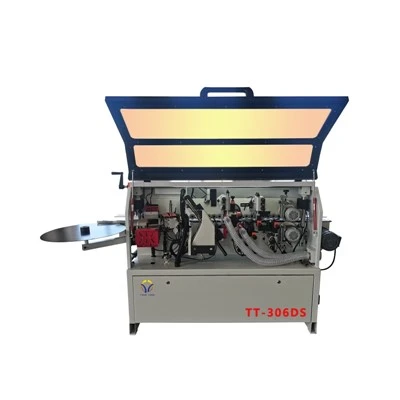
Hey there! As a supplier of Commercial Edge Banders, I often get asked about the environmental impacts of these machines. In this blog post, I'll break down the good, the bad, and everything in between when it comes to how Commercial Edge Banders affect our environment.
Positive Environmental Impacts
Material Efficiency
One of the major perks of using a Commercial Edge Bander is its ability to improve material efficiency. These machines are designed to precisely apply edge bands to various types of boards, like plywood and particleboard. By doing so, they help reduce waste. Instead of discarding large pieces of imperfectly cut or finished boards, manufacturers can use edge banding to cover up minor flaws and reuse the material.
For instance, if a piece of plywood has a slightly rough edge, the edge bander can attach a thin, decorative band that not only makes the board look better but also makes it usable. This reduces the amount of wood that ends up in landfills. It's a win - win situation for both the environment and the manufacturer's bottom line.
Long - Term Durability
Commercial Edge Banders produce high - quality edge banding that enhances the durability of the finished products. When a board has a well - applied edge band, it's less likely to get damaged during handling, transportation, and regular use. This means that furniture and other wood products made with edge - banded boards have a longer lifespan.
Take a kitchen cabinet, for example. If the edges of the cabinet doors and drawers are properly edge - banded, they'll resist chipping, splitting, and moisture damage for years. As a result, consumers won't have to replace these products as often, reducing the demand for new raw materials and the overall environmental footprint associated with manufacturing new items.
Negative Environmental Impacts
Energy Consumption
Commercial Edge Banders are complex machines that require a significant amount of energy to operate. They have motors, heaters, and other components that need power to run efficiently. The energy used often comes from non - renewable sources like coal and natural gas, which contribute to greenhouse gas emissions and air pollution.
For large - scale manufacturing facilities that run multiple edge banders for long hours each day, the energy consumption can be quite substantial. This not only has an environmental impact but also adds to the operating costs for the manufacturers.
Chemical Emissions
Many edge banding materials and adhesives used in Commercial Edge Banders contain chemicals that can be harmful to the environment. Some adhesives release volatile organic compounds (VOCs) into the air during the bonding process. VOCs can contribute to the formation of smog and have negative health effects on humans and animals.
In addition, some edge banding materials are made from synthetic polymers that are derived from fossil fuels. These materials are not biodegradable and can persist in the environment for a long time if not properly disposed of.
Mitigating the Environmental Impacts
Energy - Efficient Technologies
To address the issue of energy consumption, many manufacturers are now developing and using energy - efficient Commercial Edge Banders. These machines are designed with advanced motors and control systems that optimize energy use. For example, some edge banders have sensors that can detect when the machine is not in use and automatically reduce its power consumption.
There are also edge banders that use alternative energy sources, such as solar power or biofuels. While these options are still relatively new and not as widespread, they show great potential for reducing the carbon footprint of edge banding operations.
Environmentally - Friendly Materials
Another way to mitigate the environmental impacts is by using environmentally - friendly edge banding materials and adhesives. There are now edge banding products made from recycled materials, such as recycled paper, plastic, and wood fibers. These materials not only reduce the demand for virgin resources but also have a lower environmental impact during production.
In terms of adhesives, there are low - VOC and water - based adhesives available. These adhesives release fewer harmful chemicals into the air and are safer for both the environment and the workers handling them.
Our Product Range
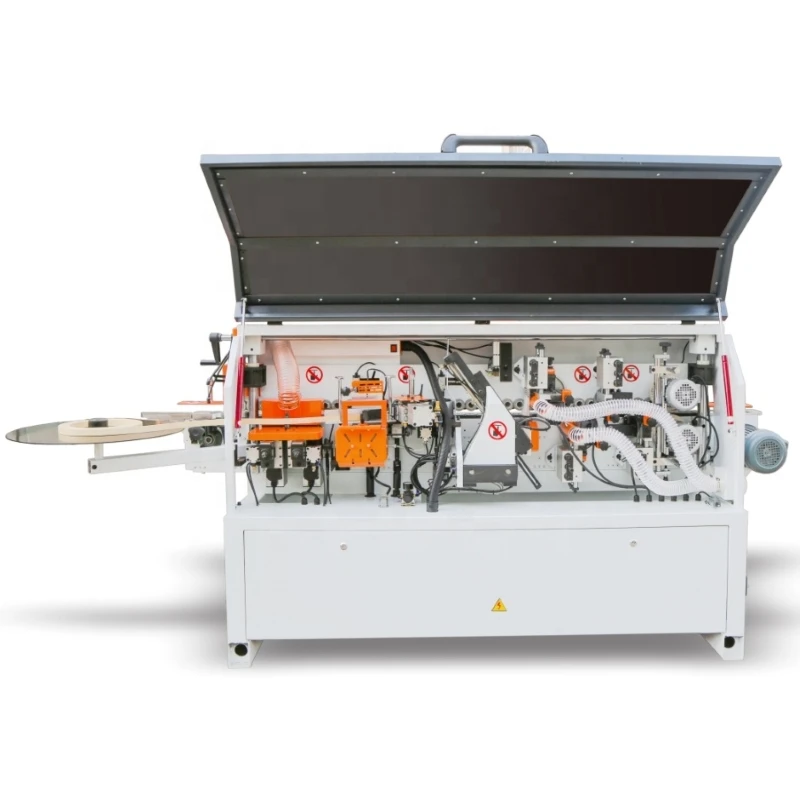
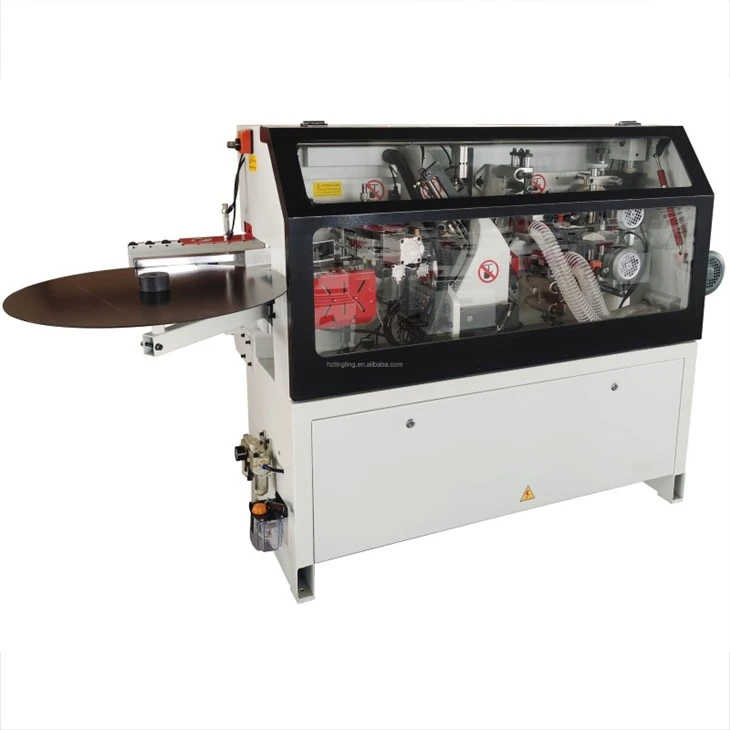
As a supplier, we offer a wide range of Commercial Edge Banders to meet different customer needs. Check out our Edgebander with Pre Milling, which comes with pre - milling capabilities for a more precise edge banding process. If you're working with plywood, our Plywood Edge Banding Machine and Edge Banding Machine for Plywood are great options.
We also have Semi Automatic Edge Banding Machine for those who need a more flexible and cost - effective solution, and our CNC Edge Banding Machine for high - precision and automated edge banding.
Conclusion
Commercial Edge Banders have both positive and negative environmental impacts. On one hand, they improve material efficiency and product durability, which helps reduce waste and the demand for new resources. On the other hand, they consume a lot of energy and can emit harmful chemicals. However, with the development of energy - efficient technologies and environmentally - friendly materials, we can minimize these negative impacts.
If you're in the market for a Commercial Edge Bander and want to learn more about our products or discuss how we can help you reduce your environmental footprint, don't hesitate to reach out. We're here to assist you in making the right choice for your business and the planet.
References
- "Woodworking Machinery and Environmental Sustainability" by Woodworking Journal
- "The Impact of Edge Banding on Furniture Lifespan" by Furniture Research Institute
- "Energy - Saving Technologies in Industrial Machinery" by Industrial Energy Association