Yo, fellow woodworking enthusiasts and business owners! I'm a supplier of all kinds of saws, and today I wanna chat about some common follow - up words after "saw". You know, when you say "saw", it's not just a simple verb or the tool itself. There are tons of words that can go right after it, and they can tell you a whole lot about the type of saw or the action it's involved in.
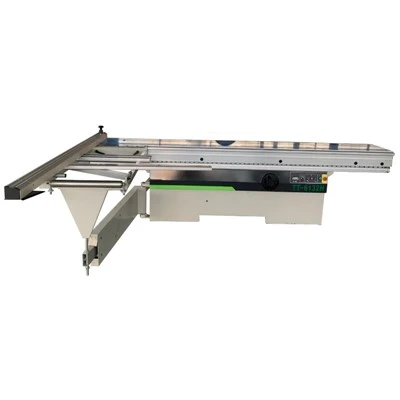
First off, let's talk about some of the saw types that we often hear about. One of the most popular ones is the Sliding Table Panel Saw. When you say "saw a panel", it suggests that you're using a saw to cut through a panel, right? And a sliding table panel saw is specifically designed for this task. It has a sliding table that allows you to make precise cuts on large panels. Whether you're working on a DIY project at home or running a woodworking business, this saw can be a real game - changer.
Another type is the Beam Saw Machine. You might say "saw a beam". Beams are usually hefty pieces of wood or other materials, and a beam saw machine is built to handle the tough job of cutting them. These saws are often used in industrial settings where large - scale cutting of beams is required. They're powerful and efficient, which is super important when you've got a lot of work to do.
Now, if you're into woodworking, you've probably heard of the Wood Cutting Table Saw. When we hear "saw wood", it's one of the most basic and common woodworking actions. A wood cutting table saw is like the heart of any woodworking shop. It's a stationary saw with a flat table on which you place the wood for cutting. It can make all sorts of cuts, from straight cuts to cross - cuts, and it's pretty versatile.
The Industrial Panel Saw is another great option. Saying "saw an industrial panel" implies that you're dealing with panels used in industrial applications. These panels are often thicker and more durable than regular ones, so you need a saw that can handle the job. Industrial panel saws are built to be tough and precise, making them ideal for the demands of industrial woodworking.
And let's not forget the Wood Cutting Table Saw Machine. It's pretty much an upgrade or a more specific type of wood cutting table saw. This machine is engineered to provide even more accuracy and power when cutting wood. It's great for professional woodworkers who need high - quality cuts for their projects.
Apart from these saw types, there are also some common actions that follow "saw". For example, "saw through". When you say "saw through a piece of wood", it means you're making a complete cut from one side to the other. It could be a thick piece of lumber or a thin board, but the action is the same. You're using a saw to get through the material.


"Saw off" is another phrase. You might say "saw off a branch". This implies that you're cutting something away from a larger object. In the context of woodworking, you could saw off a piece of a board that's sticking out or a faulty part of a plank.
"Saw up" is used when you want to cut a larger piece into smaller parts. For instance, "saw up a log into firewood". You take a big log and use a saw to turn it into smaller, more manageable pieces.
Now, if you're in the market for a saw, whether it's a sliding table panel saw, a beam saw machine, or any of the other types I mentioned, I'm here to help. As a saw supplier, I've got a wide range of options to suit different needs and budgets. Whether you're a hobbyist just starting out or a professional running a large - scale woodworking business, I can find the right saw for you.
We offer high - quality saws that are built to last. Our saws are designed with the latest technology to ensure precision and efficiency. And if you have any questions about how to use a particular saw or need advice on which one is best for your project, I'm just a message away.
So, if you're interested in learning more or want to start a purchase negotiation, don't hesitate. Reach out, and let's chat about how we can get you the perfect saw for your woodworking needs.
References
- Woodworking Industry Magazines
- Professional Woodworker's Handbooks