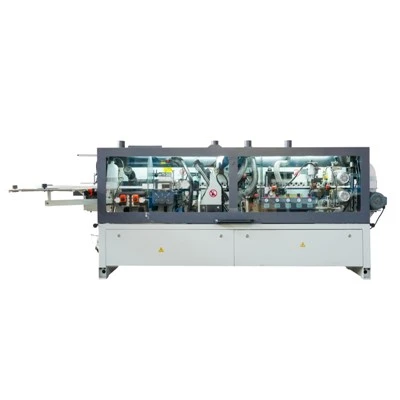
When it comes to woodworking edgebanding, the Premill edgebander stands out as a workhorse for shops that need consistent, reliable results without constant hands-on supervision. But one question I hear time and again from both new and experienced woodworkers is: Does the Premill edgebander have a self-diagnostic function? As a supplier who’s worked directly with hundreds of shops—from small custom cabinet makers to large production facilities—I can tell you this isn’t a yes-or-no answer. It’s a feature that’s evolved over years of machine design, and understanding it can make a huge difference in how you maintain your equipment and avoid costly downtime.
Let’s start with what self-diagnosis means for industrial machinery, because it’s not just a simple “check engine” light in a car. For edgebanders, self-diagnostic functions are a set of sensors, software checks, and error alerts that monitor every critical part of the machine as it runs. That includes the glue system, the trimming blades, the edge feeding mechanism, and the motors that drive the conveyor and panel positioning. For woodworking shops, where time is money, being able to catch a problem before it causes a defect in a finished panel is non-negotiable. A single misaligned trim or a burst glue pump can ruin an entire sheet of MDF or plywood, so having the machine flag issues early saves you both material and labor costs.
Now, back to the Premill edgebander specifically. Unlike some lower-cost edgebanders that only have basic error codes, Premill models (especially the newer ones we supply) come with a comprehensive self-diagnostic suite. Let’s break down how it works. First, when you power on the machine, it runs a pre-operational self-check: it tests the vacuum pumps, verifies that edge stock is loaded properly, checks glue temperature, and makes sure all safety interlocks are engaged. If something’s off—say, the glue tank isn’t heating to the required 150 degrees Fahrenheit for hot melt adhesive, or a sensor that detects panel thickness is misaligned—you’ll get a specific error message on the control panel, not just a generic “error.” That’s a big deal; instead of calling a technician to troubleshoot a vague issue, you can often fix it yourself in minutes. For example, if the error code says “Edge feed sensor blocked,” you can simply clear a small piece of debris from the sensor instead of tearing apart the entire feeding mechanism.
But it doesn’t stop at start-up checks. The self-diagnostic function runs continuously during operation, too. Modern Premill edgebanders track the number of cycles each trim blade has completed, monitor the pressure of the glue application roller, and even check the alignment of the end trimming unit. Why does that matter? Trimming blades wear out over time, and a dull blade will leave rough edges or chip the wood veneer, which requires additional sanding or even rework. The self-diagnostic system will alert you when a blade is nearing the end of its usable life, so you can replace it during a scheduled maintenance window instead of during a production run. That proactive maintenance is a huge benefit for any shop that runs multiple shifts.
Of course, I know that not all woodworking operations are the same. Some small shops might be looking for a more budget-friendly option, while larger production facilities need a machine that can integrate with their existing CNC systems. That’s why we carry a range of edgebanding solutions, including options tailored to different needs. For shops that prioritize the self-diagnostic feature, the Premill line is a top choice, but we also have other models that deliver on reliability. For example, our lineup includes Woodworking Edge Bander options for specialized woodworking applications, CNC Edge Banding Machine models for shops that use CNC routers for panel cutting, and Panel Edge Banding Machine units designed specifically for processing large, flat panels. We also offer Auto Edge Bander and Semi Automatic Edge Banding Machine options, so you can pick the machine that matches your production volume and skill level.
One common misconception about self-diagnostic functions is that they’re only for complex, high-end machines. But even if you’re running a Premill edgebander in a small shop, the self-diagnostic feature simplifies routine maintenance. I’ve seen shops where a new operator was able to resolve a machine error on their own for the first time, instead of waiting for a service call that could take half a day or more. That’s not to say you never need a technician—for major issues, the self-diagnostic system will also log error codes that help our support team pinpoint the problem quickly, which reduces repair time. For example, if the system flags a fault in the main conveyor motor, we can send a replacement part with precise specifications because we know exactly what model the machine uses, thanks to the diagnostic data.
It’s also worth noting that Premill has updated their self-diagnostic software over the years to integrate with digital tools that many woodworkers use now. Some newer models can connect to your shop’s network, so you can monitor machine performance remotely—even from your phone or laptop. That’s a game-changer for shop owners who manage multiple locations or are working off-site. You can check if the machine is running, get alerts if a problem arises, and even review maintenance logs to plan ahead for blade replacements or glue system flushes. It takes a lot of the guesswork out of machine upkeep.
Now, let’s address a few caveats. While the Premill edgebander’s self-diagnostic function is robust, it’s not a substitute for regular cleaning and maintenance. If you skip flushing the glue system or don’t clear debris from the edge feeding mechanism weekly, even the best diagnostic tool can’t prevent issues. I always advise customers to follow the maintenance schedule outlined in the machine’s manual, even if the machine isn’t flagging any errors. That combination of self-monitoring and proactive care is what keeps edgebanders running smoothly for years.
Another point: if you’re considering a used Premill edgebander, it’s important to check that the self-diagnostic function is intact. Some older models might have older software that’s no longer supported, or sensors that have worn out over time. When we supply machines, whether new or reconditioned, we test the self-diagnostic system thoroughly before delivery to make sure it’s working as it should. That way, you don’t run into unexpected issues down the line.


At the end of the day, the question of whether the Premill edgebander has a self-diagnostic function comes down to what you need from your machine. For most woodworking shops, the answer is yes—and it’s a feature that pays for itself in reduced downtime, less material waste, and lower maintenance costs. If you’re in the market for an edgebander and want to learn more about how the Premill line’s self-diagnostic function can benefit your shop, or if you’d like to explore other edgebanding options we offer, our team is here to help. We work with shops of all sizes to find the right machine, and we provide ongoing support to make sure your equipment runs efficiently for years.
References
- Woodworking Network. (2022). "Edgebanding Technologies: Self-Diagnostic Tools Reduce Production Downtime." Woodworking Network.
- Premill Manufacturing. (2023). "Operator’s Manual for Premill Edgebander Models with Integrated Self-Diagnostic System." Premill Corp.
- Family Woodworker Magazine. (2021). "Choosing the Right Edgebander for Small to Medium Production Shops." Family Woodworker Media.