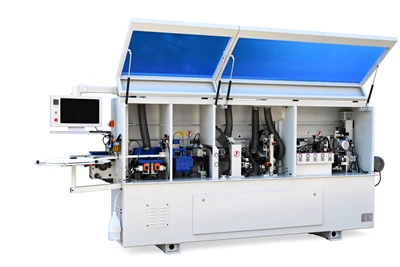
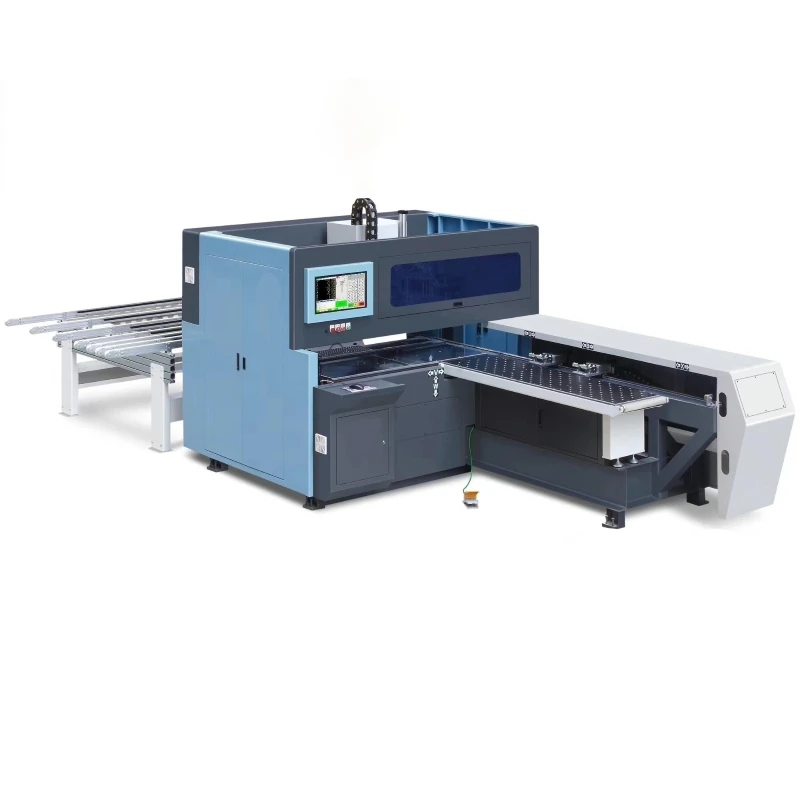
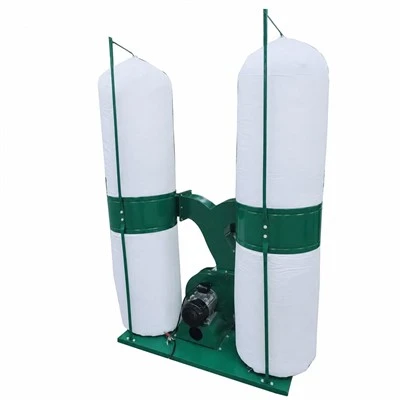
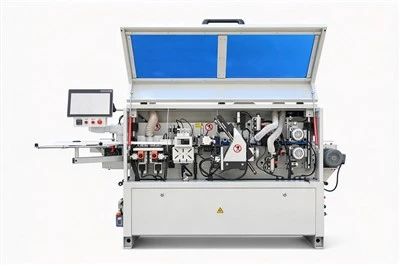
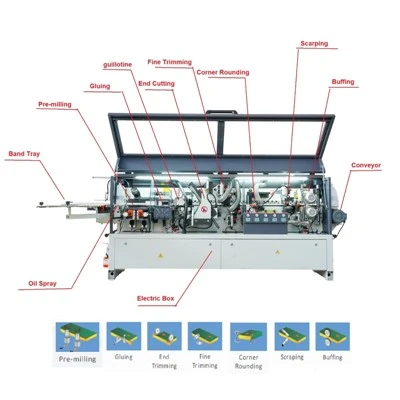
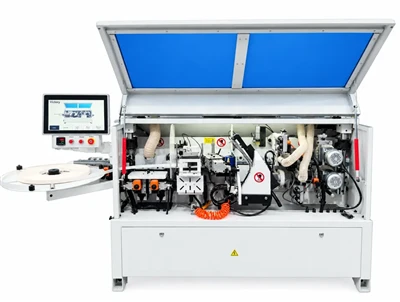
Woodworking dust collection typically requires three components: a piping system, a fan system, and a filtration system. While the structure and function of these systems vary depending on their configuration, the fundamental principle remains the same, much like wearing a mask. A woodworking dust collector installs a suction hood above the dust source in woodworking operations. Negative pressure is used to draw floating dust from the woodworking production line through the piping into the dust collector's housing. The piping connects the woodworking machinery to the filtration system, and the fan creates negative pressure in the piping to draw in dust. The most crucial aspects are the fan configuration and the performance of the filter bags.
The fan configuration is calculated based on the number and arrangement of machines in the production workshop. This requires professional calculation to ensure consistent airflow at the filter interfaces of each machine for effective dust removal. The filter bags must be selected based on the specific environment, as the properties of dust generated in different woodworking workshops vary.
Airflow containing wood chips is conveyed by a fan to the guide chamber of the bag filter. The airflow velocity decreases under the action of the guide plates, and heavier wood chips fall into the hopper below the casing under gravity. Dust accumulated in the hopper is discharged through a timed unloading device at the bottom of the hopper for further processing. Other lighter, finer dust particles are carried upwards by the airflow and adsorbed onto the outer surface of the filter bags. After filtration by the bags, clean air enters the exhaust chamber and is discharged outside. As filtration continues, more and more dust accumulates on the outer surface of the filter bags, increasing the system's operating resistance and reducing its dust removal efficiency. Therefore, this system is equipped with an automatic pulse cleaning device, which consists of a pulse controller, pulse valves, quick-connect couplings, an air drum, and jet pipes. Based on the characteristics of the wood chips, the pulse amplitude and frequency can be set on the pulse controller. After the pulse amplitude and frequency are set, the system automatically cleans the filter bags during operation, with the dust being periodically backflushed and shaken off by the pulse valves and falling into the hopper. This helps maintain the system's filtration efficiency and extend the service life of the filter bags.