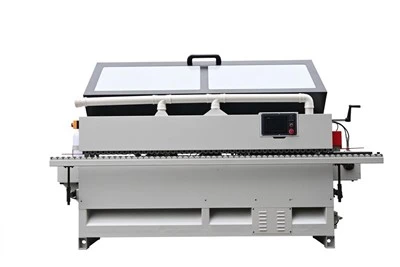
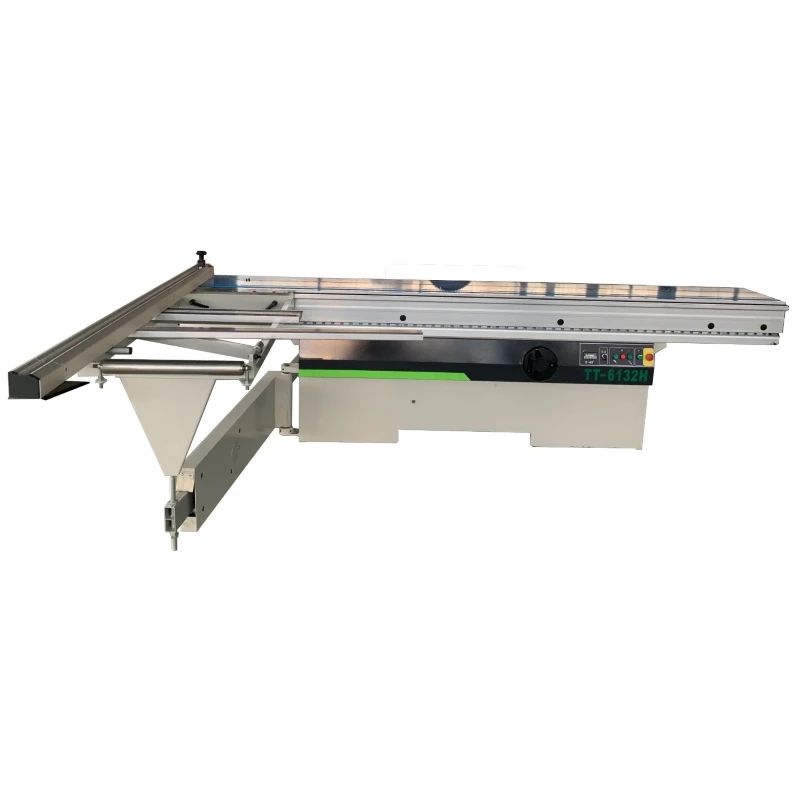
Integrated Pass-Through CNC Machine or Six sided drilling machine + CNC machine
Why do custom panel factories drill a full sheet before cutting it? This industry guide explains the through-feed route, how it compares with a six-sided drilling machine plus CNC cutting machine, and what the HT9A Pro+ changes in a real production line.

What Is an Integrated Pass-Through CNC Machine?
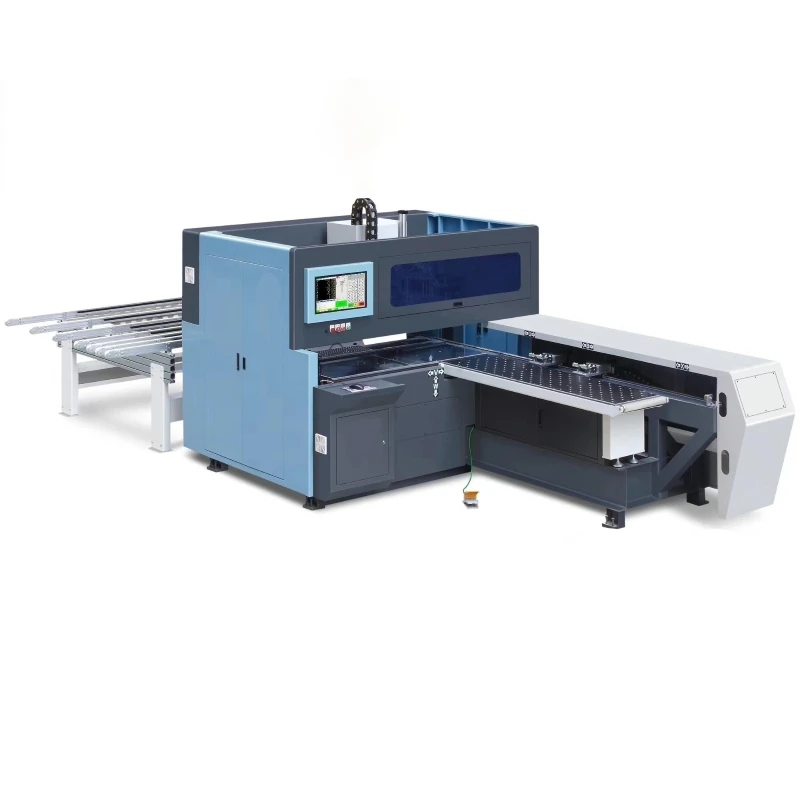
An integrated pass-through CNC machine combines drilling, grooving, milling and cut-to-size in one continuous through-feed line. A full panel enters at one end and finished components leave at the other, with no manual flipping and no secondary positioning. It is also searched as a through-feed drilling and cutting center, a drilling-and-cutting all-in-one machine, or a six-sided drilling machine plus CNC cutting machine in one unit.
Drill First, Cut Later: The Accuracy Argument
A cut panel is no longer a stable rectangle. Engineered board carries internal stress; once the sheet is separated, components can bow slightly and hole positions can drift. A through-feed machine drills and grooves while the sheet is still full-size and fully supported, then cuts it apart. Hole and slot relationships on both faces are locked in before deformation can occur, which is why the route matters for cabinet, wardrobe and casework assembly.
The HT9A Pro+ adds a floating loading system and a dual-tool cutting system to the proven HT9A platform. Labeling, drilling, grooving and cutting run in one continuous workflow.
01 Floating loading
Full sheets are loaded with easier, safer handling and read from the job label.
02 Dual-face drilling
Upper and lower drilling units machine the panel in one setup, without flipping.
03 Dual-tool cutting
Two routing tools cut simultaneously for higher throughput, then panels are sorted.

Integrated Pass-Through vs. the Two-Machine Route
| Decision factor | Integrated pass-through (HT9A Pro+) | Six-sided drilling machine | CNC nesting / cutting machine |
| Process order | Drill and groove the full sheet, then cut | Cut to size first, then drill | Cut and basic drill, often with a second setup |
| Hole accuracy | Pattern fixed before stress release | Drilled after cutting; deformation can shift positions | Depends on repeat positioning and flipping |
| Panel handling | One pass, no flipping, no secondary positioning | Transfer from saw, then locate each panel | Manual flip and re-clamp for the second face |
| Mixed-size orders | Large, small and shaped parts in one flow | Best on repeatable uniform panels | Flexible on shapes, slower at volume |
| Best fit | Non-standard custom furniture and growing shops | Engineering batches with fixed sizes | Small batches and prototype work |
Four Practical Gains on the Shop Floor
What changes when drilling and cutting share one continuous line.
Accuracy built into the process
Drilling before cutting protects hole positions from post-cut stress deformation.
No flipping, no re-positioning
Both faces are machined in one setup, reducing labor and tolerance stack-up.

Continuous high-mix output
The dual-tool cutting system increases throughput without a second machine.
Compact line, lower labor
Automatic labeling and one-flow handling make staffing and training easier.
Common Questions About Pass-Through Machines
Short answers to the questions buyers ask most before changing their panel workflow.

Is this just a six-sided drill with a router attached?
No. The defining difference is process order and handling: holes are machined on the full sheet, then the sheet is cut, in one pass with no flip and no second locating step.
Can it replace both my six-sided drill and my CNC router?
For many custom panel shops, yes, especially with mixed sizes and non-standard parts. Very large uniform engineering batches may still favor a dedicated six-sided line.
Which materials can the HT9A Pro+ process?
It is designed for MDF, plywood, particle board and other wood-based panels used in furniture and cabinet production.
What should I check before buying?
Check your real panel sizes, drilling layout, loading method, tool-change capacity, software compatibility, dust extraction and the cycle time on your own panel mix.
Find Out Whether a Pass-Through Line Fits Your Panel Mix
Send us your typical panel sizes, hole patterns and daily volume. Our engineers will map your current workflow and tell you honestly whether a pass-through integrated machine, a six-sided drilling center, or a combination is the better investment.