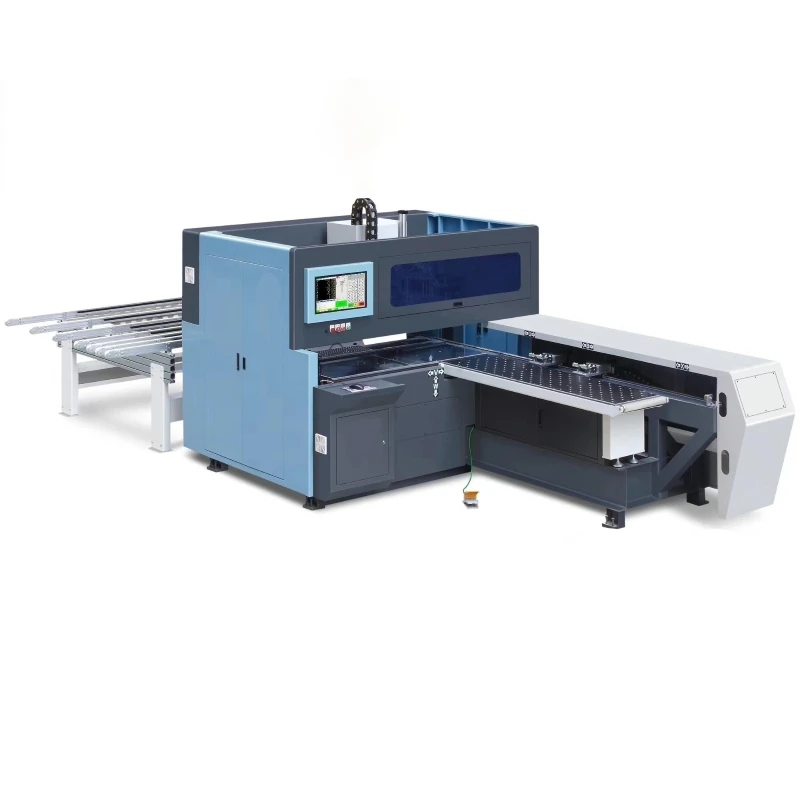
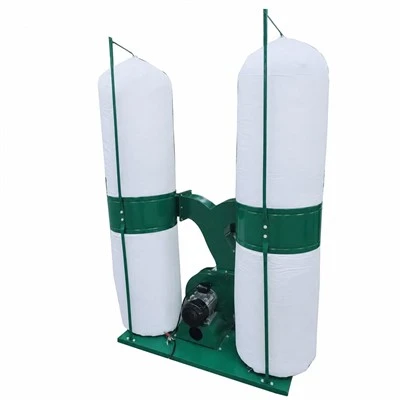
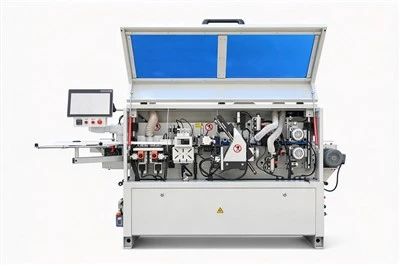
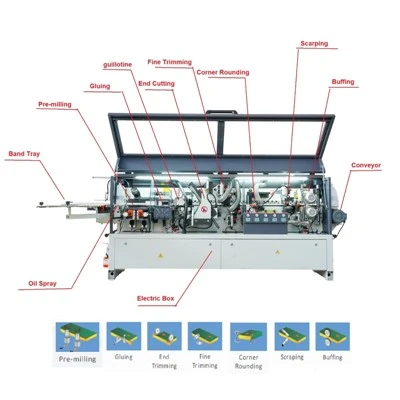
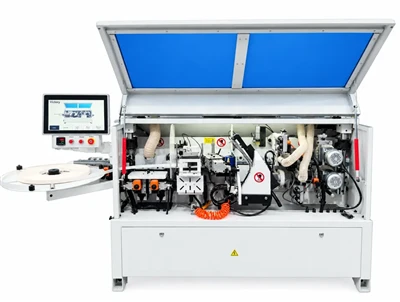
Edge banding is a crucial step in the manufacturing process of panel furniture. The quality of edge banding directly impacts the product's quality, price, and grade. Edge banding significantly improves the appearance of furniture, preventing damage to edges and corners, peeling or flaking of the veneer during transportation and use. It also provides waterproofing, prevents the release of harmful gases, reduces deformation, and enhances the aesthetics of the furniture, creating a more pleasant experience. Fully automatic edge banding machines are widely used in the mass production of custom wardrobes, cabinets, office furniture, children's furniture, and hotel engineering panel components.
Panboard furniture manufacturers primarily use particleboard, medium-density fiberboard (MDF), and other engineered wood products as raw materials. The edge banding strips used are mainly made of PVC, polyester, melamine, and wood strips. Depending on the adhesives and processes used, edge banding technologies are mainly divided into EVA edge banding, PUR edge banding, and laser edge banding. PUR edge banding, due to the participation of water molecules in the moisture-curing reaction to form a three-dimensional cross-linked network molecular structure, exhibits superior bonding strength, resistance to high and low temperatures, and waterproof and moisture-proof performance compared to EVA edge banding, and the adhesive lines are finer. Laser edge banding achieves seamless welding by activating the edge banding coating with a laser, eliminating the need for glue and offering superior environmental friendliness, aesthetics, and durability. Different materials and specifications of edge banding strips require different edge banding equipment. Currently, furniture manufacturers primarily use two types of edge banding machines: manual straight/curved edge banding machines and fully automatic straight edge banding machines. Manual edge banding machines have a simpler structure, making installation, use, and maintenance relatively easy; while fully automatic straight edge banding machines, due to their complex structure, high manufacturing precision, and high price, are prone to various problems during use. Therefore, properly installing and debugging a fully automatic straight edge banding machine is crucial for ensuring its long-term stable operation and high-quality edge banding results.